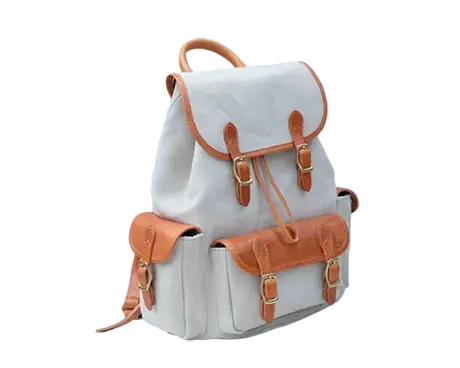
Canvas Leather Mixed
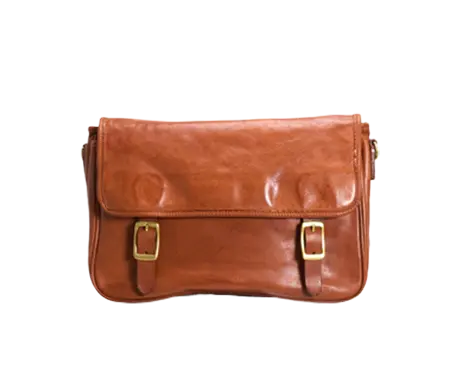
Crossbody Bags
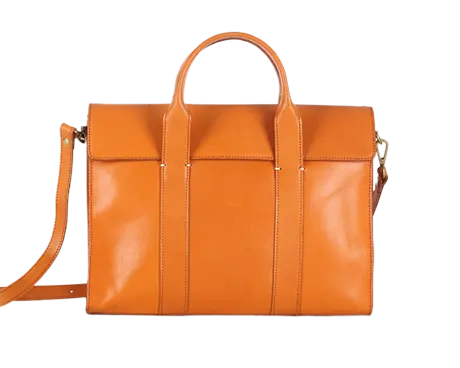

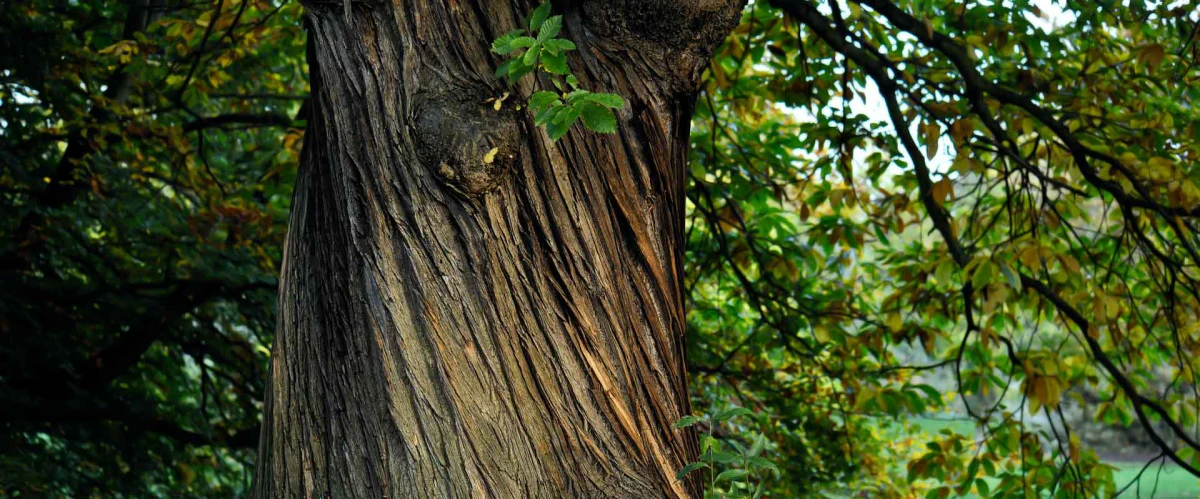
Vegetable-Tanned Leather is a type of leather tanned using natural plant extracts. It has the advantages of being natural, environmentally friendly, and biodegradable, and is widely used in high-end handmade leather goods and art products.

Uses natural plant tannins to avoid chemical pollution.
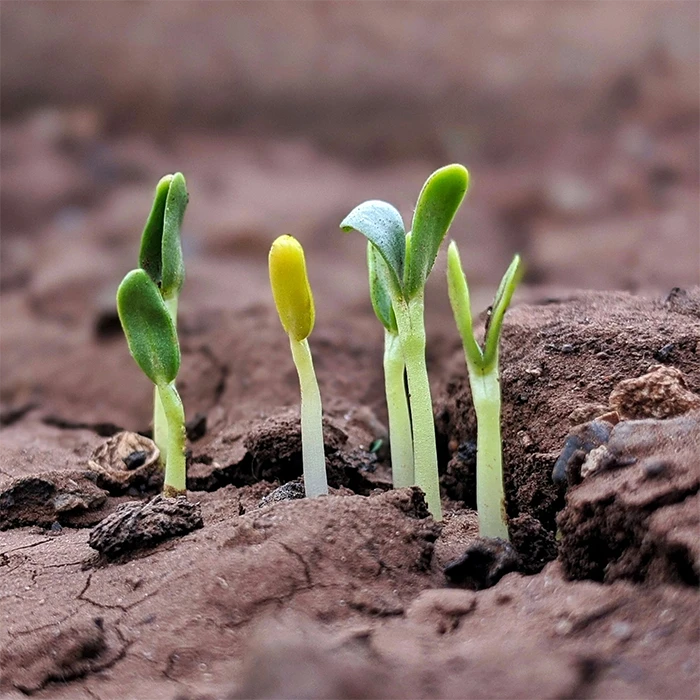
Returns to the natural cycle after the end of its life cycle.
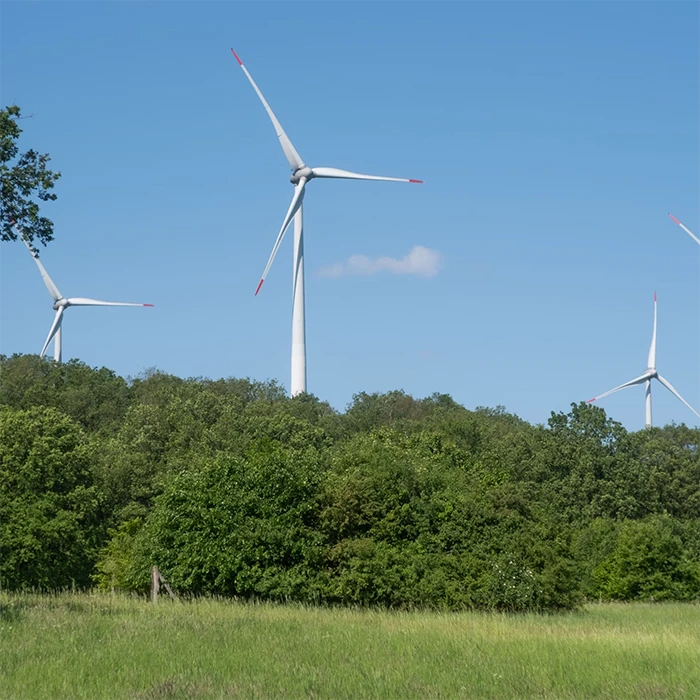
Natural materials that consume less energy.
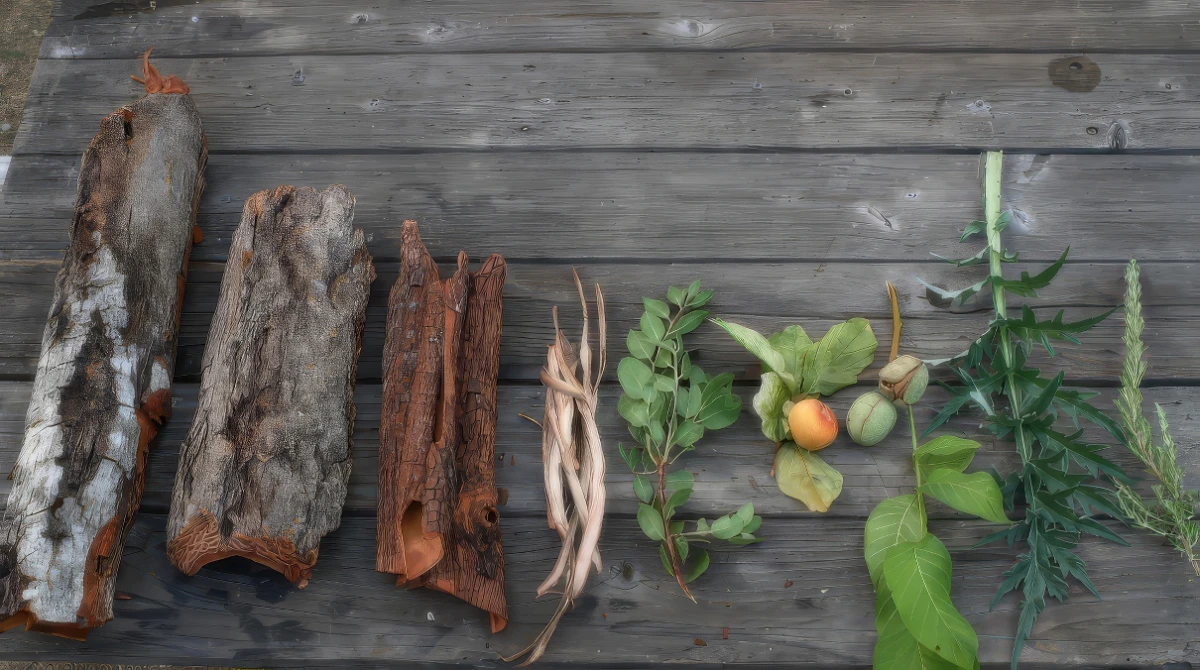
Tannin is a natural substance present throughout the plant kingdom: in wood, bark, rhizomes, roots and fruits.
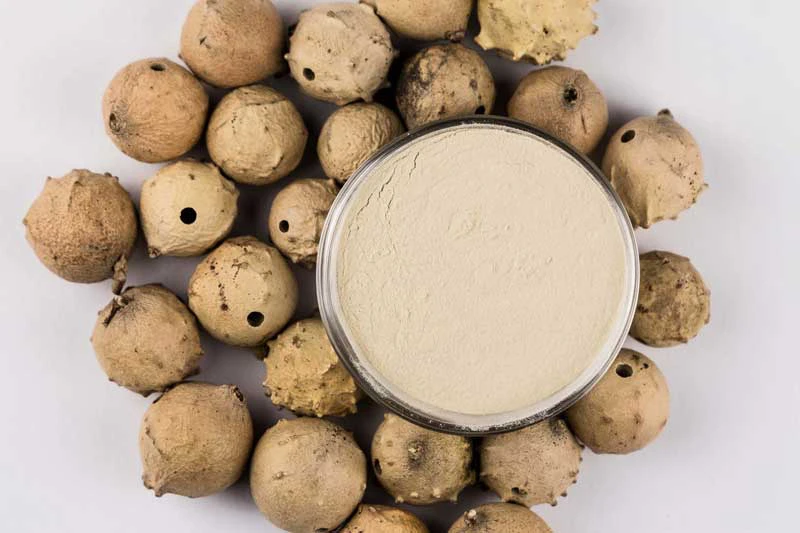
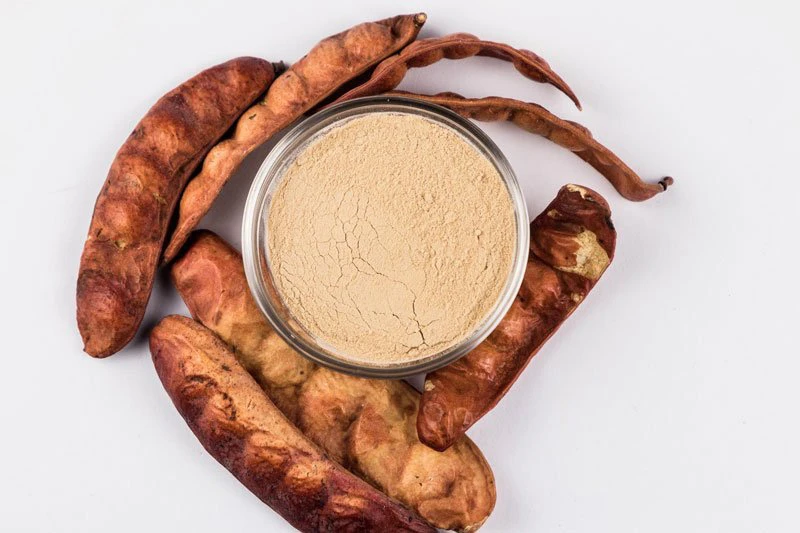
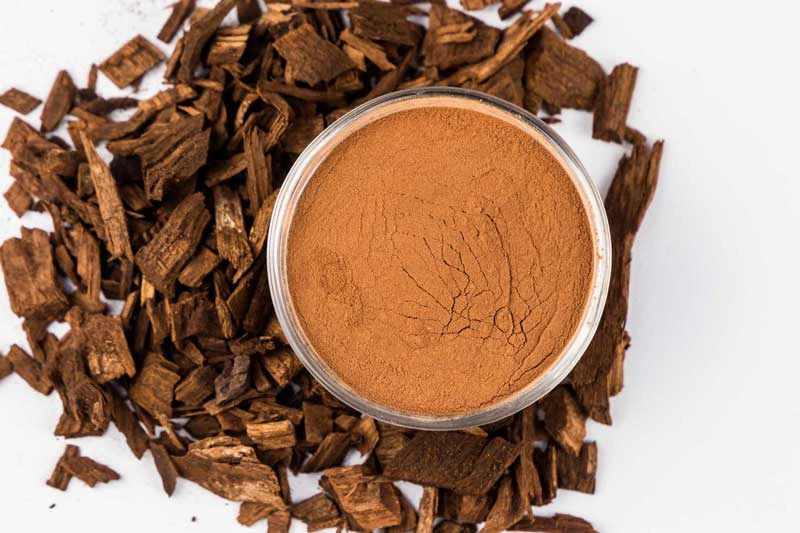
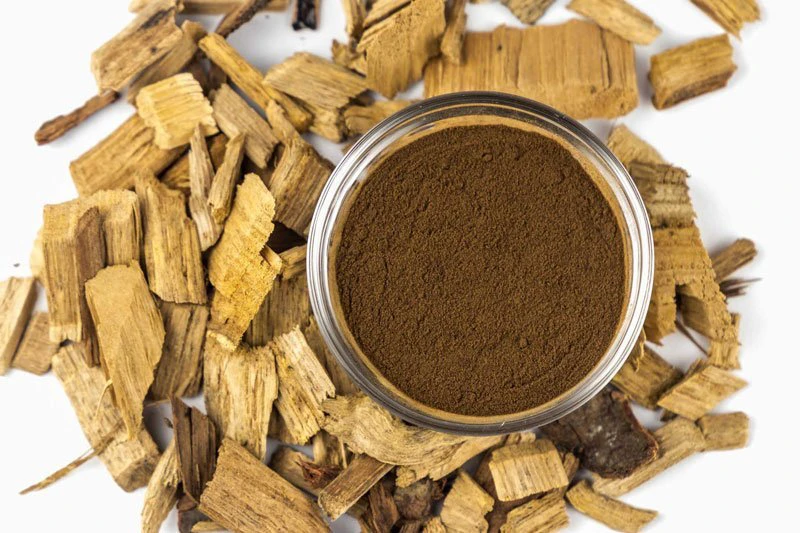
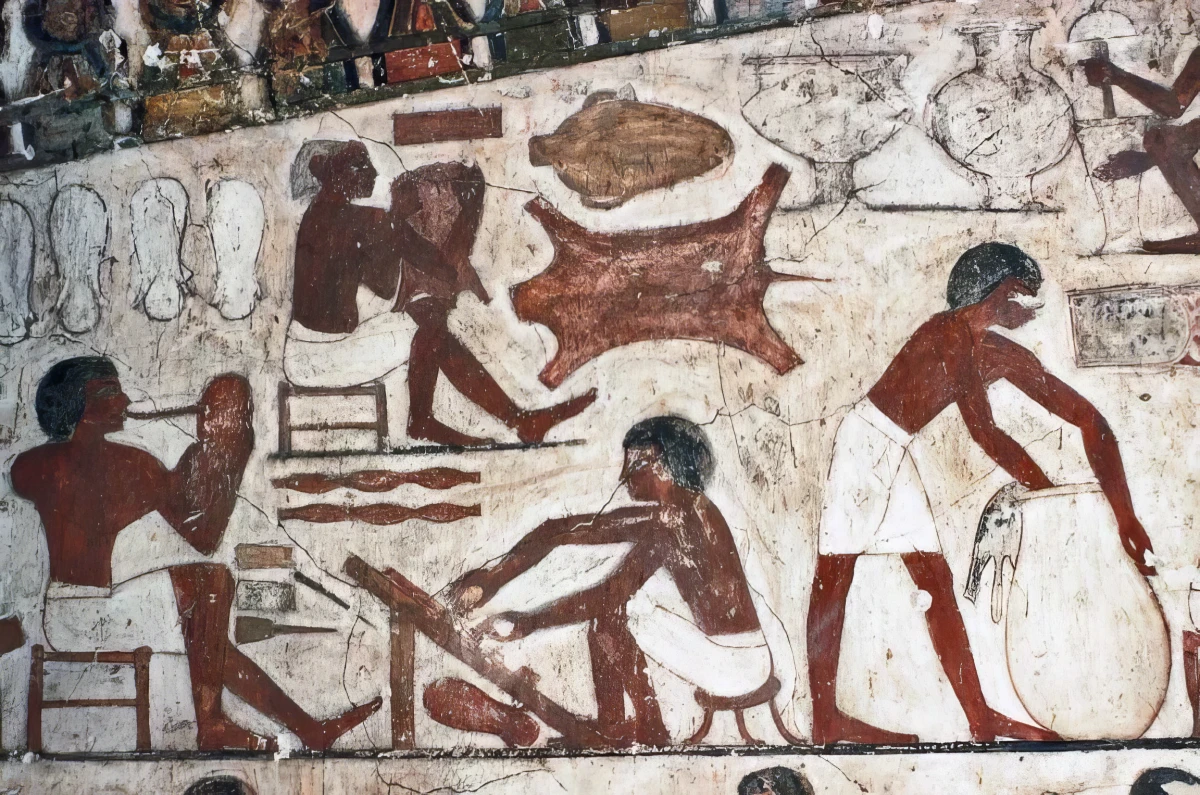
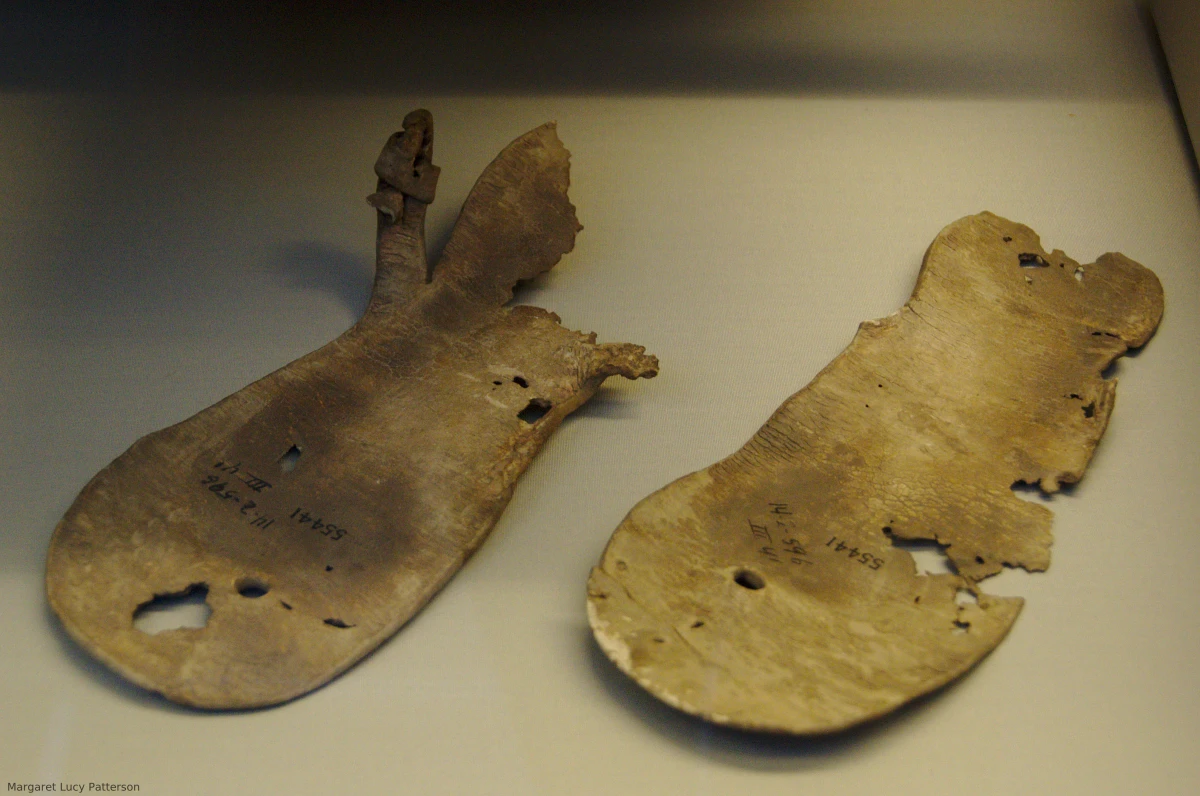
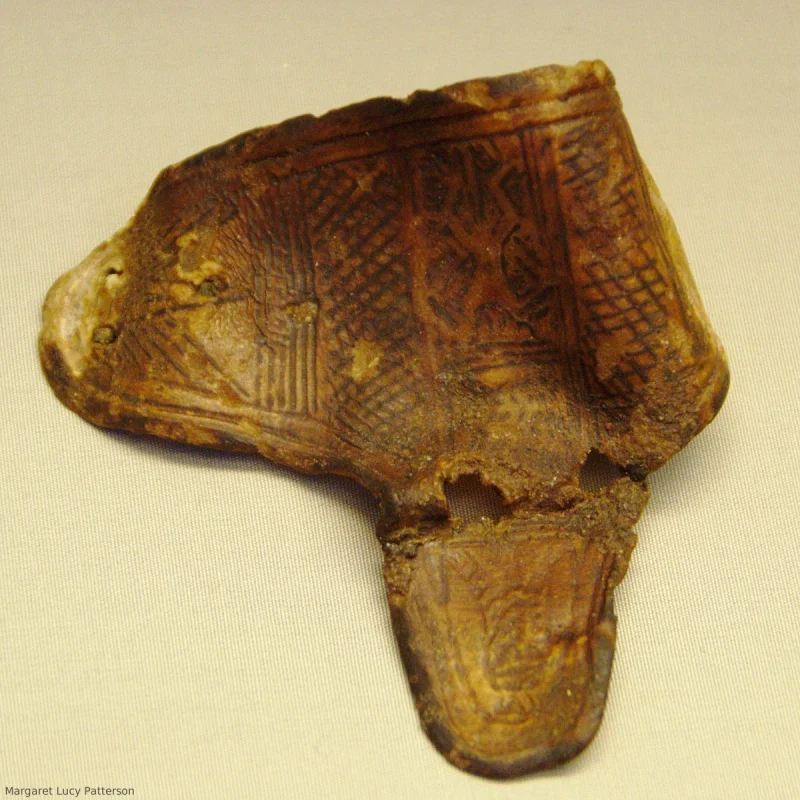
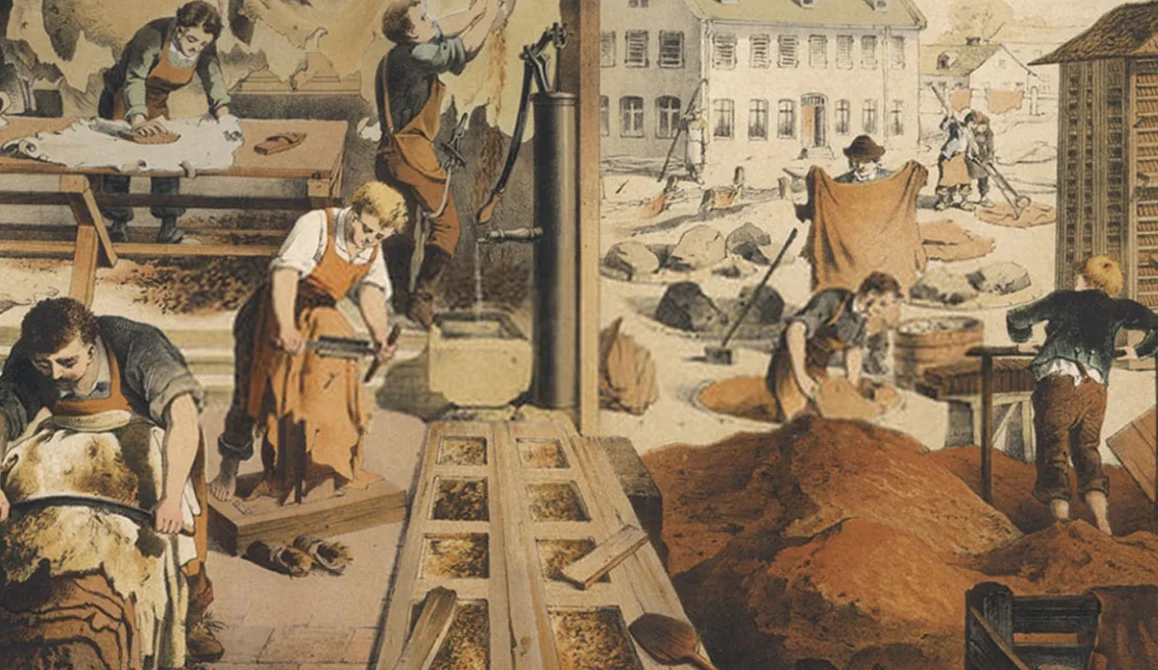
Vegetable tanning technology can be traced back to around 6000 BC. The ancient Egyptians began to use plant extracts to preserve and soften leather. As civilization developed, medieval Spain became the center of vegetable tanning in Europe, using the “pit tanning method” to soak raw hides in plant liquid for 6–12 months.
After the Industrial Revolution in the 19th century, Tuscany in Italy introduced the drum tanning technology, shortening the tanning cycle to 60–90 days while retaining the natural process. This innovation not only improved production efficiency but also maintained the natural characteristics of vegetable-tanned leather, laying the foundation for modern vegetable tanning processes.
6000 BC
The earliest recorded plant tanning technology in ancient EgyptMiddle Ages
Spain developed the “pit tanning method” and established the center of vegetable tanning in Europe19th Century Industrial Revolution
Tuscany in Italy introduced the drum tanning technology, revolutionizing production efficiencyContemporary
The revival of environmental concepts, and vegetable-tanned leather has become a representative of sustainable fashion
The Essence of Traditional Handmade Vegetable Tanning Process Eco-Certified
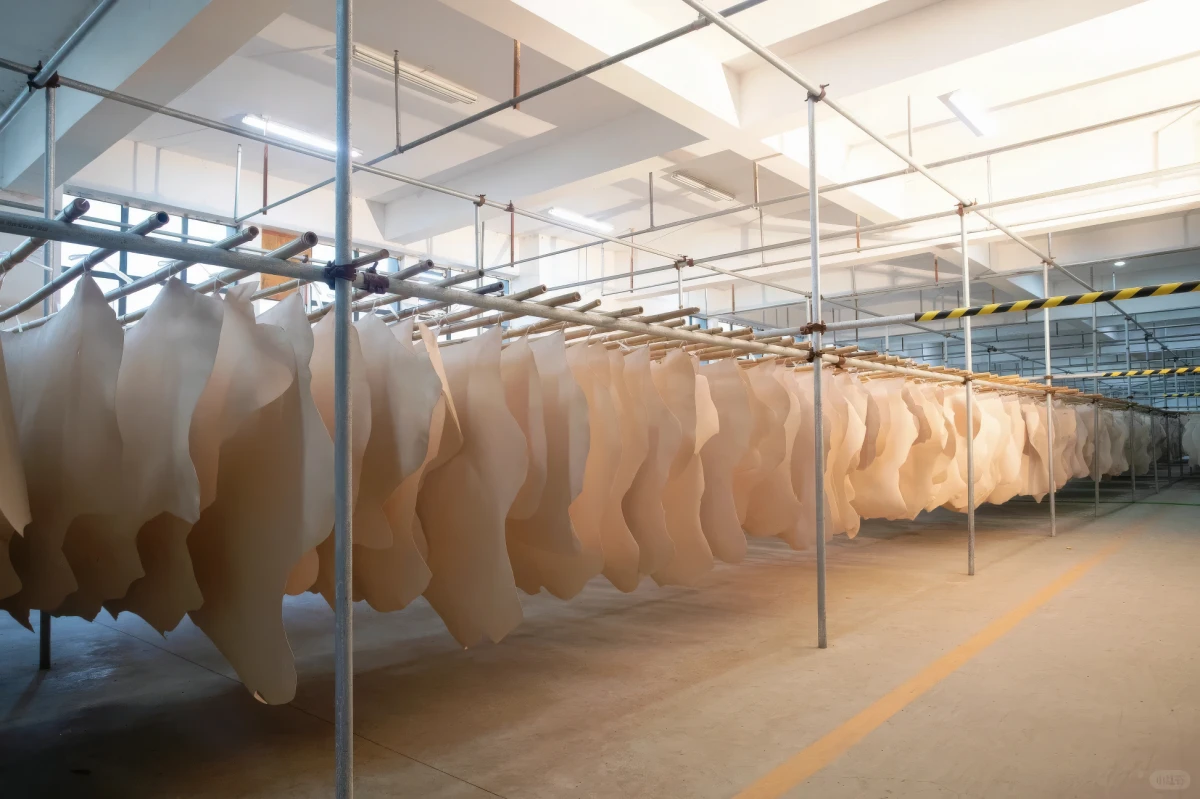

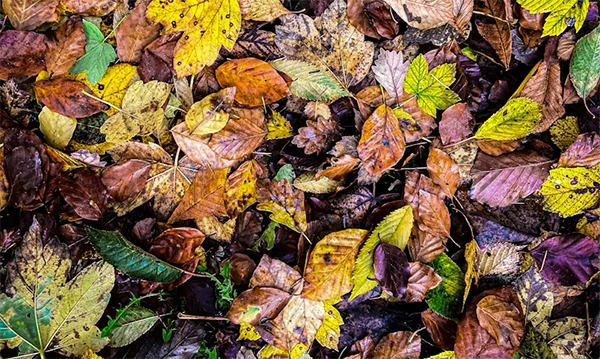
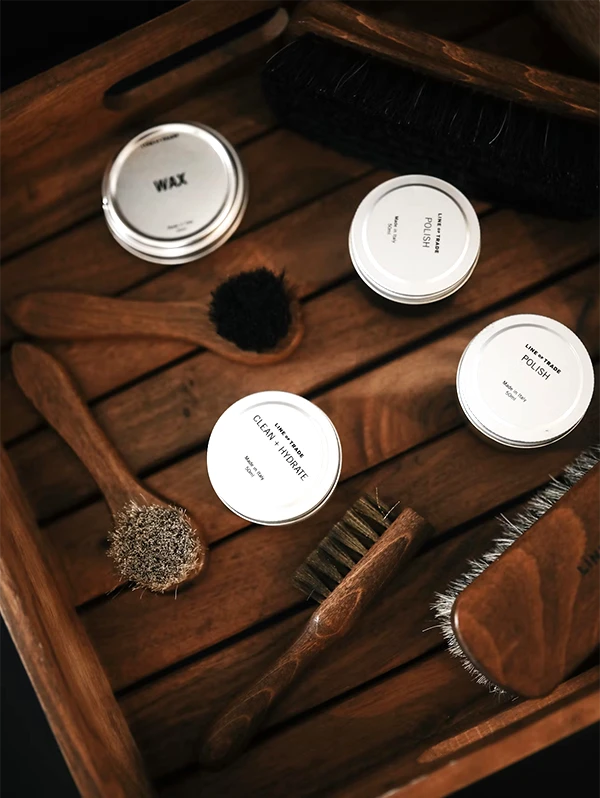
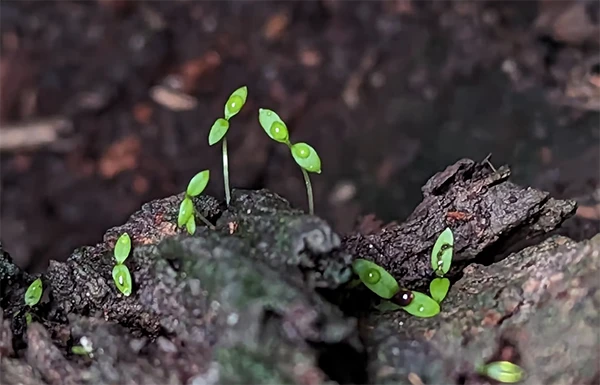
“The environmental value of vegetable-tanned leather lies not only in its natural ingredients but also in the ‘less is more’ consumption concept it advocates. A high – quality vegetable-tanned leather product can accompany the user for decades, which in itself is the most environmentally friendly choice.”
—— International Association of Leather Technologists and Chemists
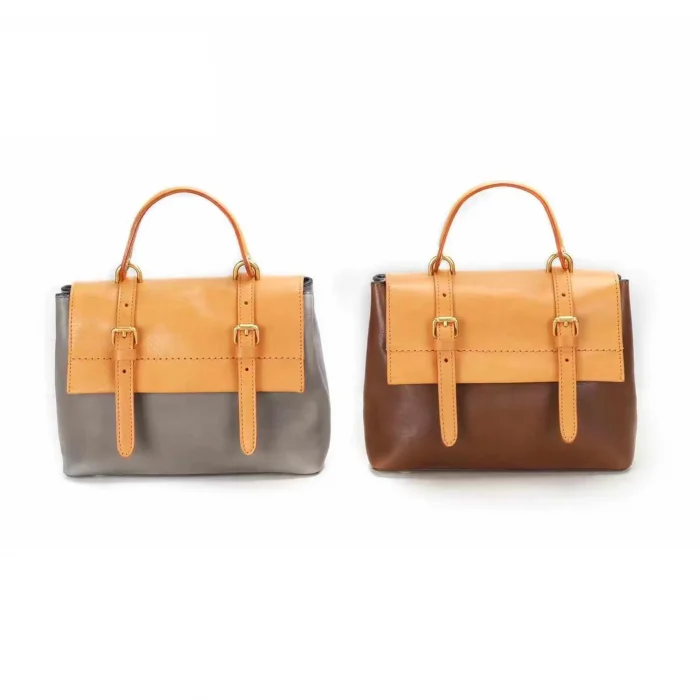
Shoulder/Crossbody
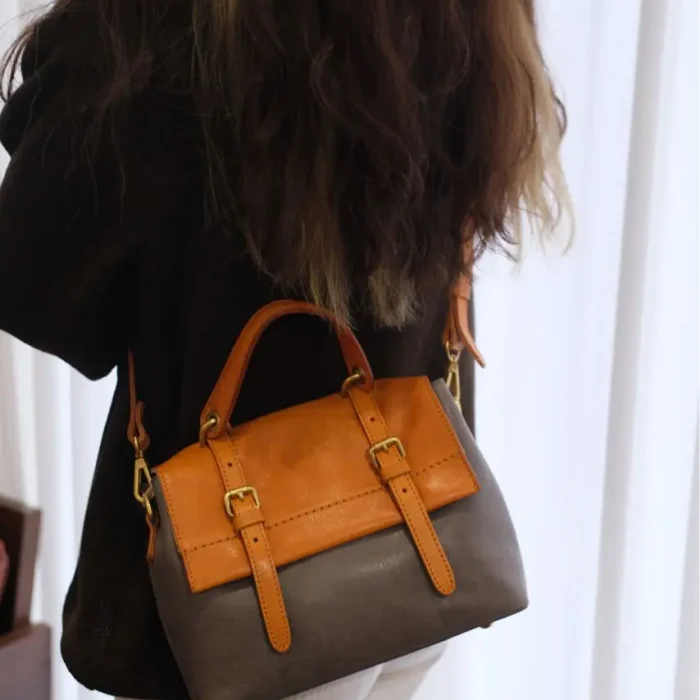
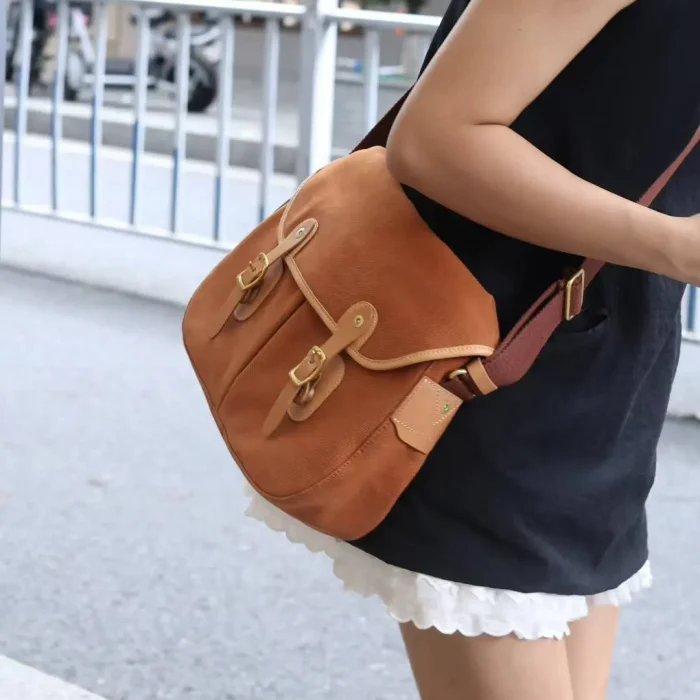
Color Vegetable-Tanned Leather Handbag & Shoulder Bag – Handcrafted, Versatile & Spacious
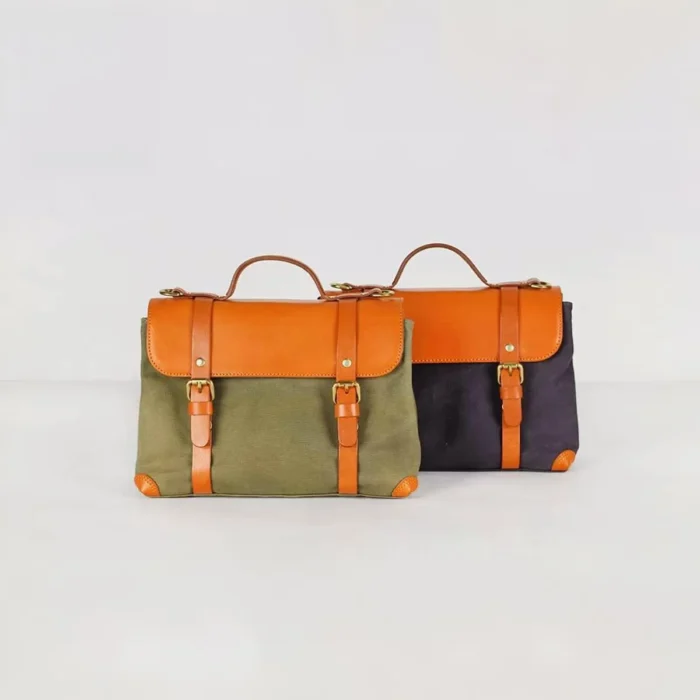
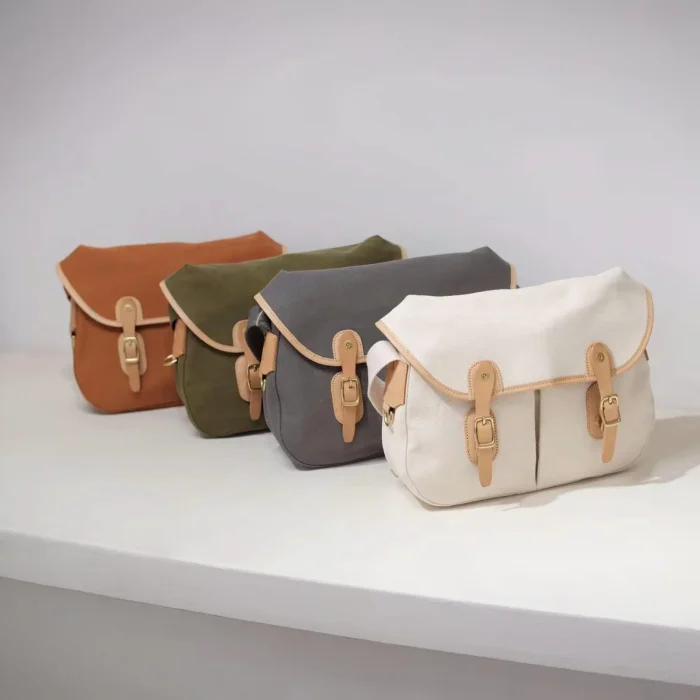
Canvas&Leather
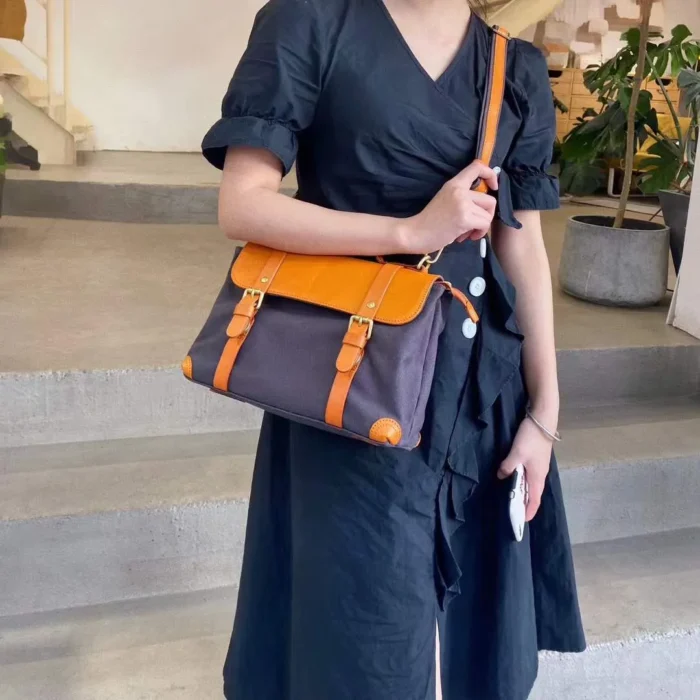
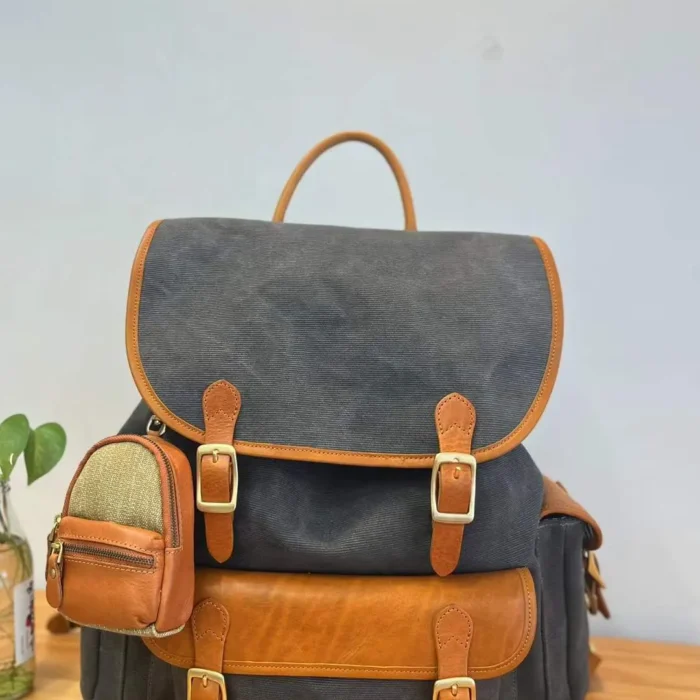
Handmade Canvas & Vegetable-Tanned Leather Messenger School Bag – Retro Crossbody for Men & Women
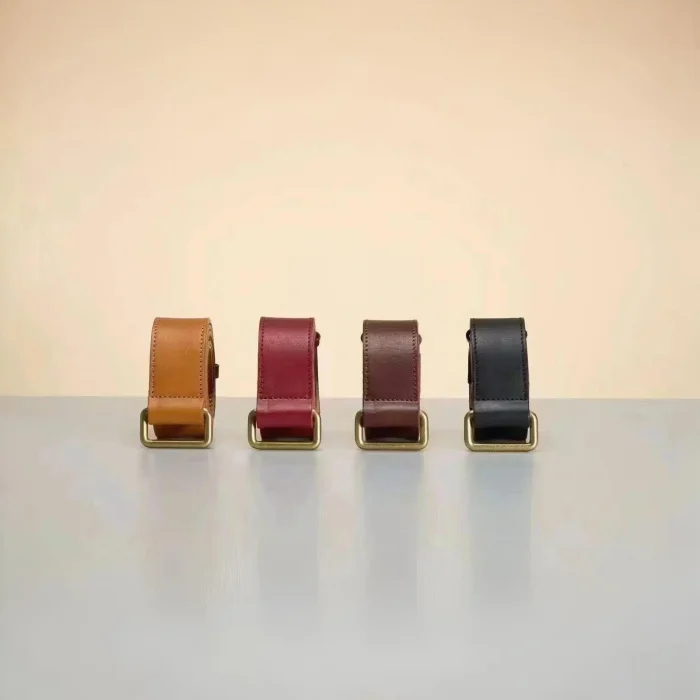
Belt
Handmade Vegetable-Tanned Leather Women’s Waist Belt – Adjustable Fashion Belt for Dresses and Coats
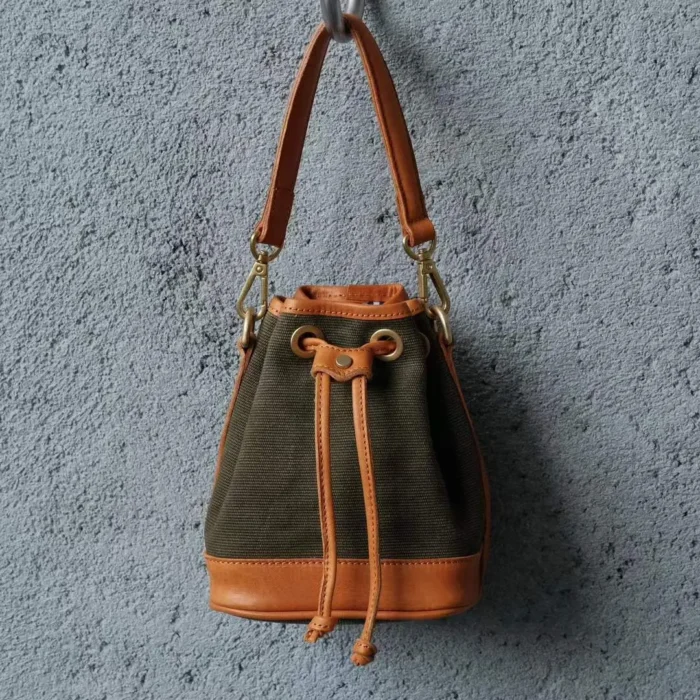
Shoulder/Crossbody
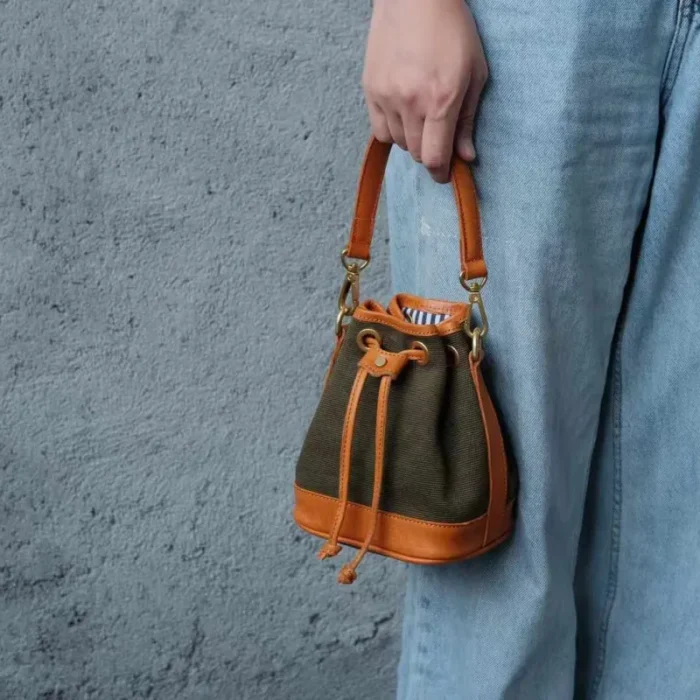
Chic Canvas Leather Mini Bucket Bag – Vintage Crossbody for Summer Style
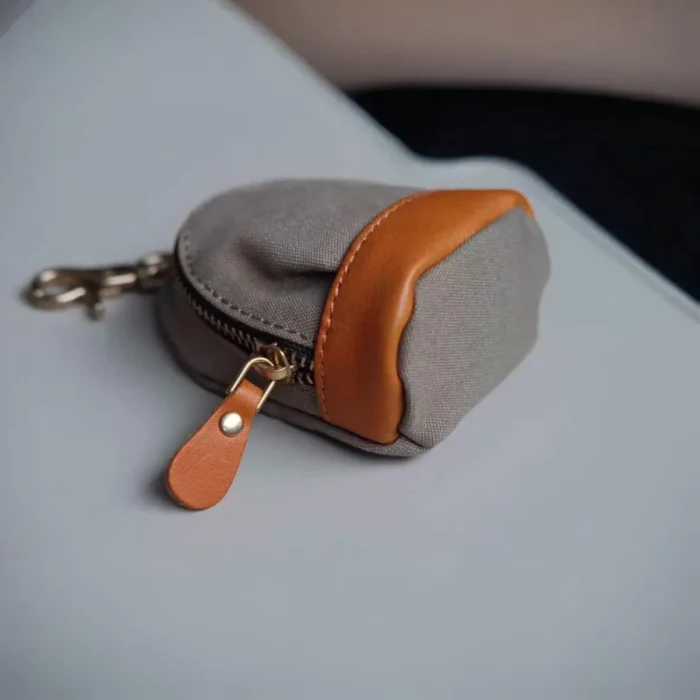
Small Leather Goods
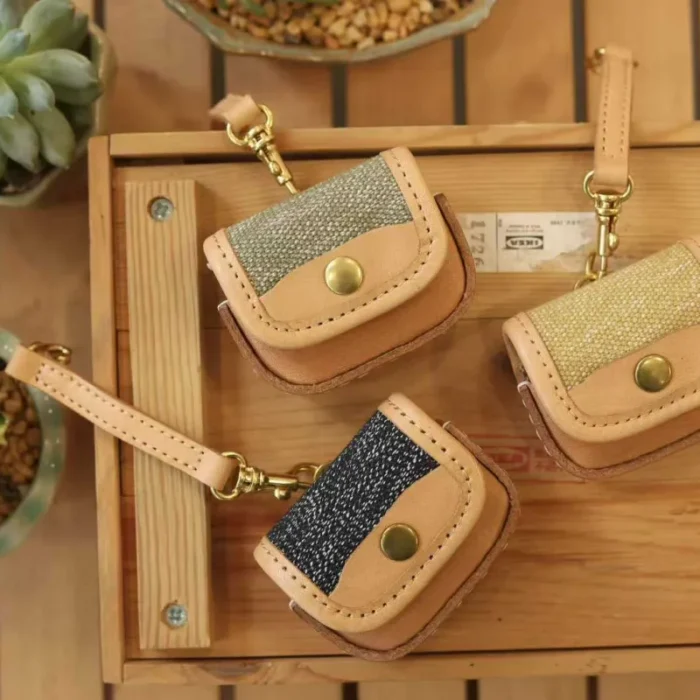
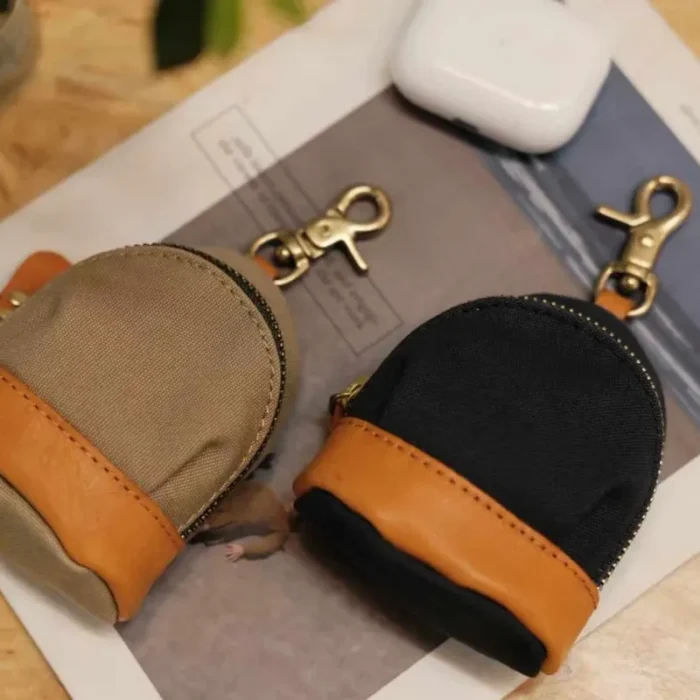
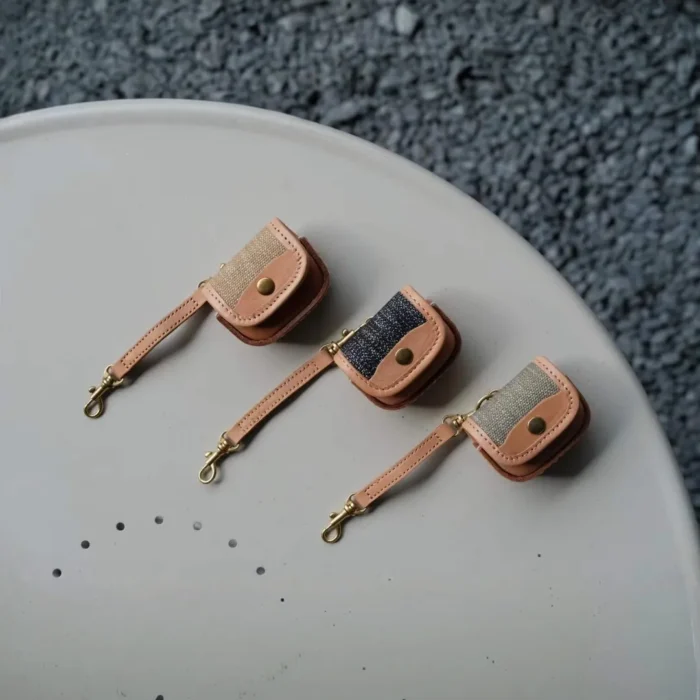
Mini Backpack Keychain & Bag Charm – Cute & Practical Everyday Accessory
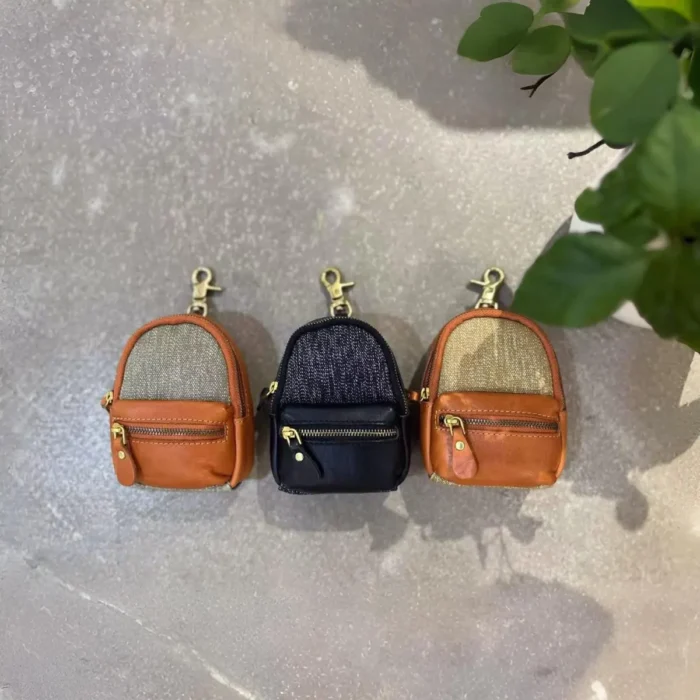
Small Leather Goods
Mini Backpack Charm – Cute, Compact, Must-Have Pepper & Salt Everyday Organizer